



Further, Faster: What Cohort Two Taught Us About Scaling Innovation
Innovation is no longer a luxury. It is a required muscle to support the transformation of the United Nations and equip it for the 21st century. It takes many forms across the UN system, showing up as projects, processes or simply through creativity and an openness to learn and experiment. Despite being a necessary capability, innovation within the UN often dissipates as its stamina is repeatedly tried and tested through fragmented support, siloed processes and underfunding.
To help overcome these challenges, the UN Global Pulse Accelerator Programme was launched. The premise of the programme was to create a dedicated space for understanding common and distinct constraints faced by UN innovation teams, provide peer-to-peer exposure to stress-test assumptions and use carefully designed frameworks that would enable such teams to scale and thrive.
Launched with two cohorts in 2024, the programme successfully supported UN-led innovation teams to overcome the scaling barriers they experienced and to develop practical milestones to reach their intended visions. This story is about our second cohort and the impact the Accelerator made on their scaling journeys. We checked in with the participating innovation teams to reflect on their journey in the Accelerator Programme and how they continue to carry the lessons learned.
Introducing the Second Cohort
After a competitive selection process that saw 94 applications from 23 UN entities, seven teams were selected to join the second cohort, each representing a distinct geography, challenge and vision. Compared to the first cohort, we noticed three meaningful improvements in the application process:
We saw a 15% increase in applications from the first cohort. This increase in the number of applications reflected a growing commitment to innovation across the UN system and a clearer recognition of the barriers teams face when trying to scale.
Gender parity was strong, with 58% of leads or co-leads being women.
Geographically, innovations were being implemented across regions with a particular focus on Africa and Latin America. A considerable 73% of team members were based in non-UN hub countries, signalling the programme’s broad reach and its relevance to contexts where support is most needed.
Meet the Participating Teams
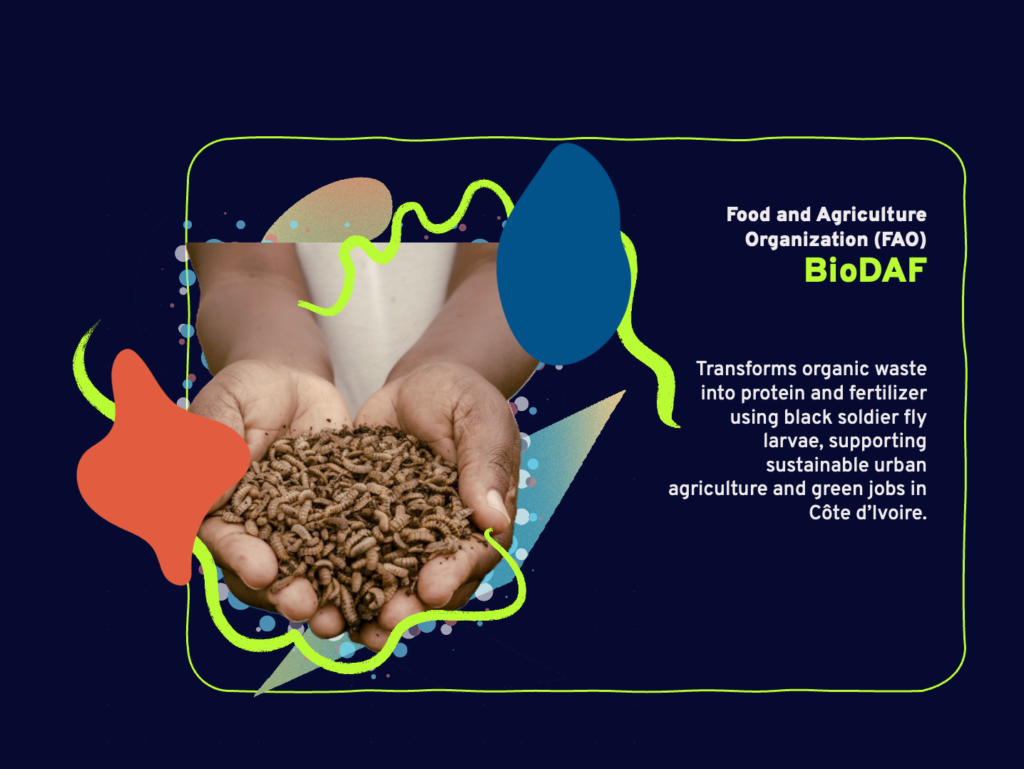
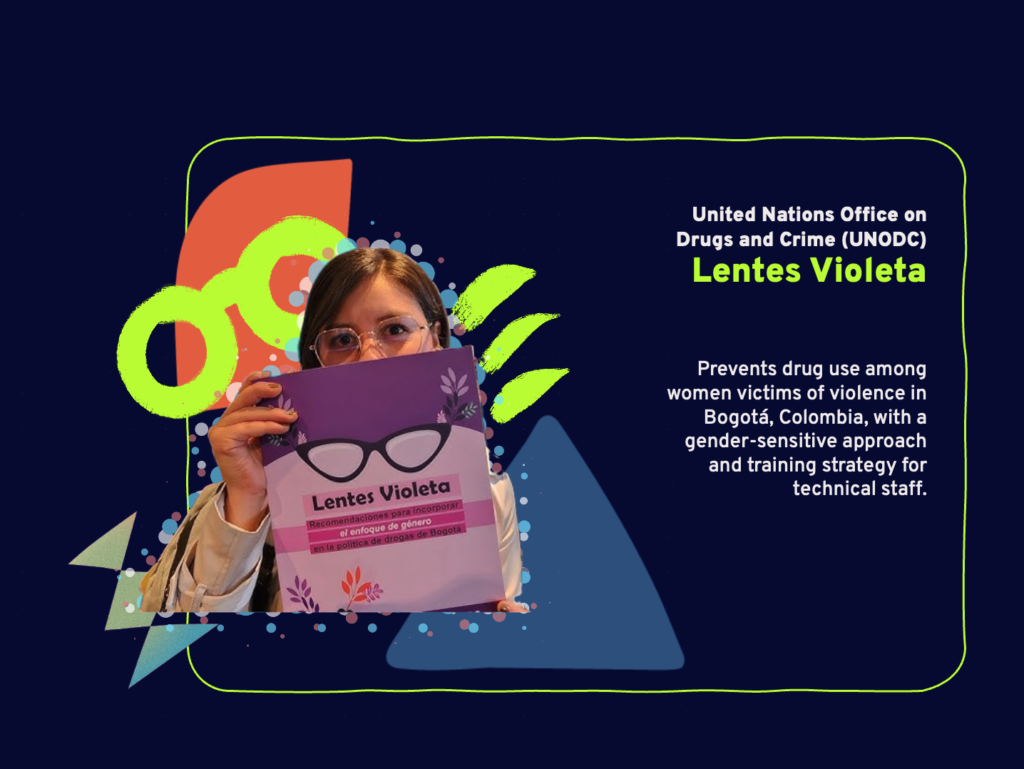
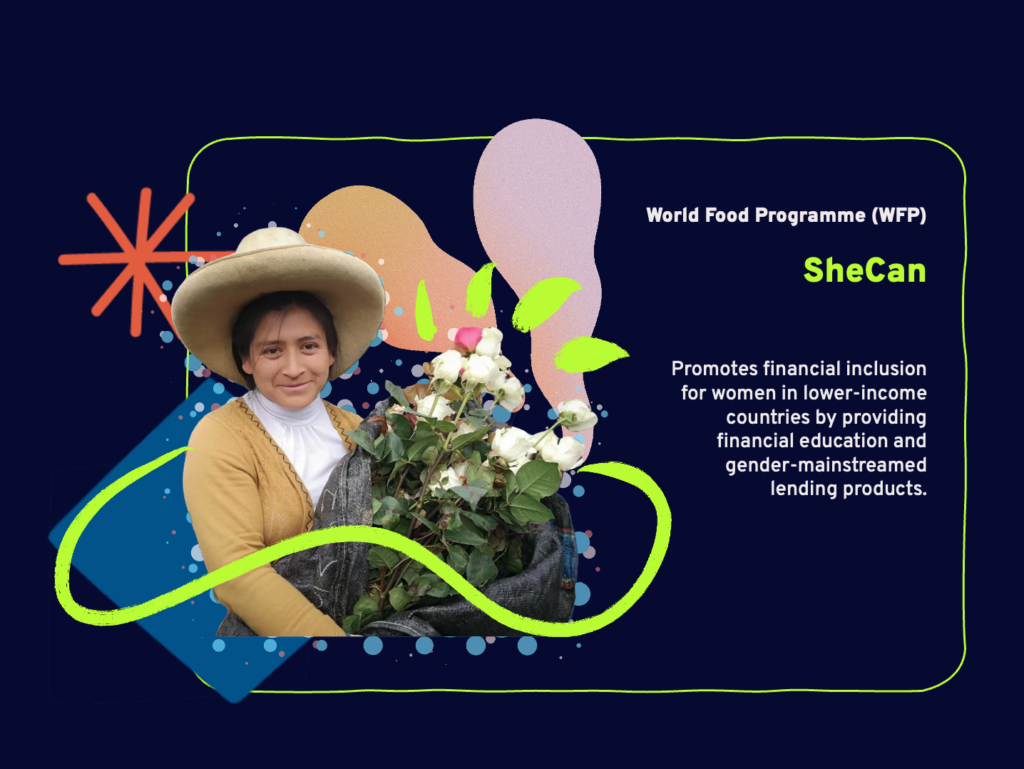
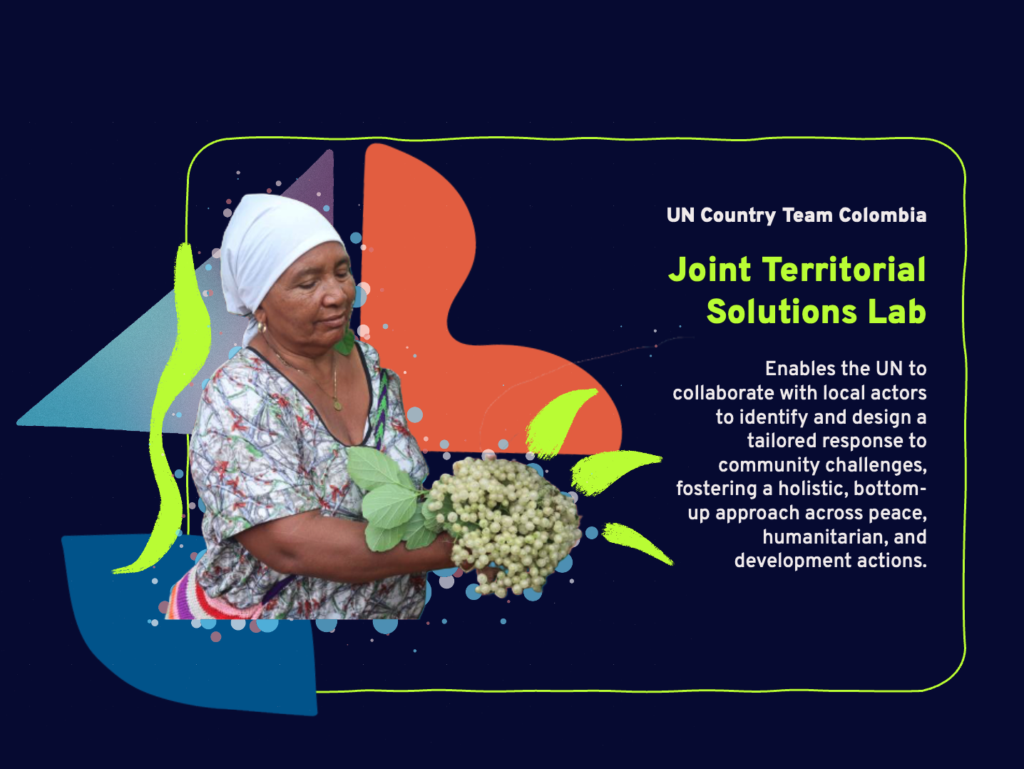
In November 2024, these teams arrived in Helsinki for the Accelerator Programme workshop week. The workshop curriculum focused on supporting them to develop and refine their scale strategies, which would then be submitted as part of the next stage of the Accelerator – receiving the Catalyst Grant and mentoring to implement their refined strategies. A few weeks later, a panel of external reviewers selected two teams with the most compelling strategies to propel their scaling journey forward.
To dive deeper into the Accelerator’s take on scale strategies, take a look at our blog:
Cohort 2: Catalyst Grant Recipients
Drag the slider to meet this cohort’s grant recipients: BioDAF (FAO) and SheCan (WFP)
Reflections on the Accelerator Programme
At UN Global Pulse, we design the Accelerator Programme to equip UN teams to scale their innovations with the tools and mindsets that deliver on the UN 2.0 vision – the transformation towards a more agile, diverse, responsive and impactful United Nations that accelerates systemic shifts and helps put the world on a path to resilience and sustainability.
We reflect on the impact of each cohort, monitoring the growth and lessons of participating teams, synthesizing our findings to adapt and enhance the programme. This impact report presents the findings from cohort two, whom we met one year after their in-person participation, and insights into how we’re taking these learnings forward.
On the skills enhanced by the programme:
By providing access to specialized methodologies—ranging from foresight analysis and systems thinking to user-centered design—the Accelerator helped teams transition from reactive problem-solving to proactive, systems-level thinking. Underpinning these methods is a shared goal to help teams navigate uncertainty, embrace iterative failure as guiding data and design solutions as resilient as the communities they serve.
Here were the top five takeaways from the curriculum and workshops:
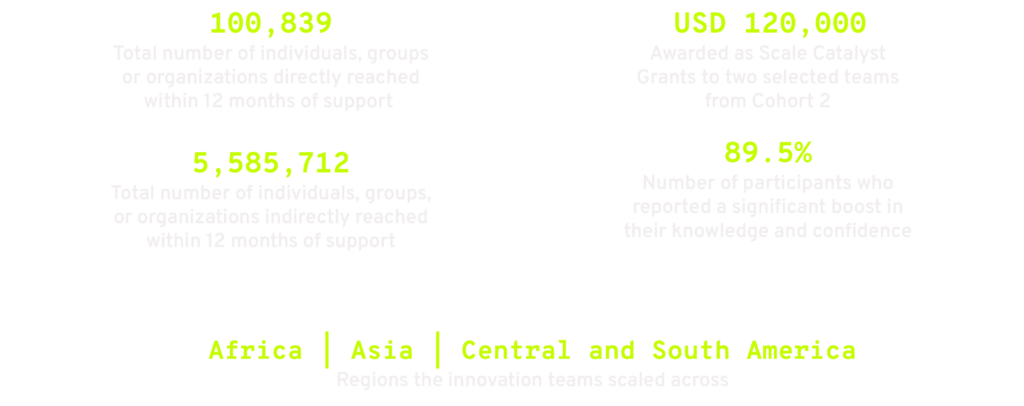
Our Results:
How lessons showed up in practice
Rather than simply providing resources, the Accelerator offered a blueprint of structured methodologies, peer validation and a creative space to ideate and sharpen thinking. This environment allowed teams to step out of their institutional silos, test their assumptions against the realities of other UN agencies, and refine their strategies through a common language of scale. As such, we asked teams about how these experiences and skills manifested in their day-to-day realities over the last year. Here’s how the lessons learned showed up for these teams:

Teams Showcased Structural and Technical Resilience
The Accelerator’s focus on systems thinking pushed teams to look beyond the immediate pilot toward long-term technical viability.
Team examples:
BioDAF (FAO): By adopting a decentralized approach, the team shattered previous production ceilings. Output of organic fertilizer surged from 200 kg to 550 kg per month, while animal feed production rose to 150 kg. The structural shift toward localized units resulted in a 40–60% reduction in poultry feed costs and a remarkable ~60% increase in income at on-site units.
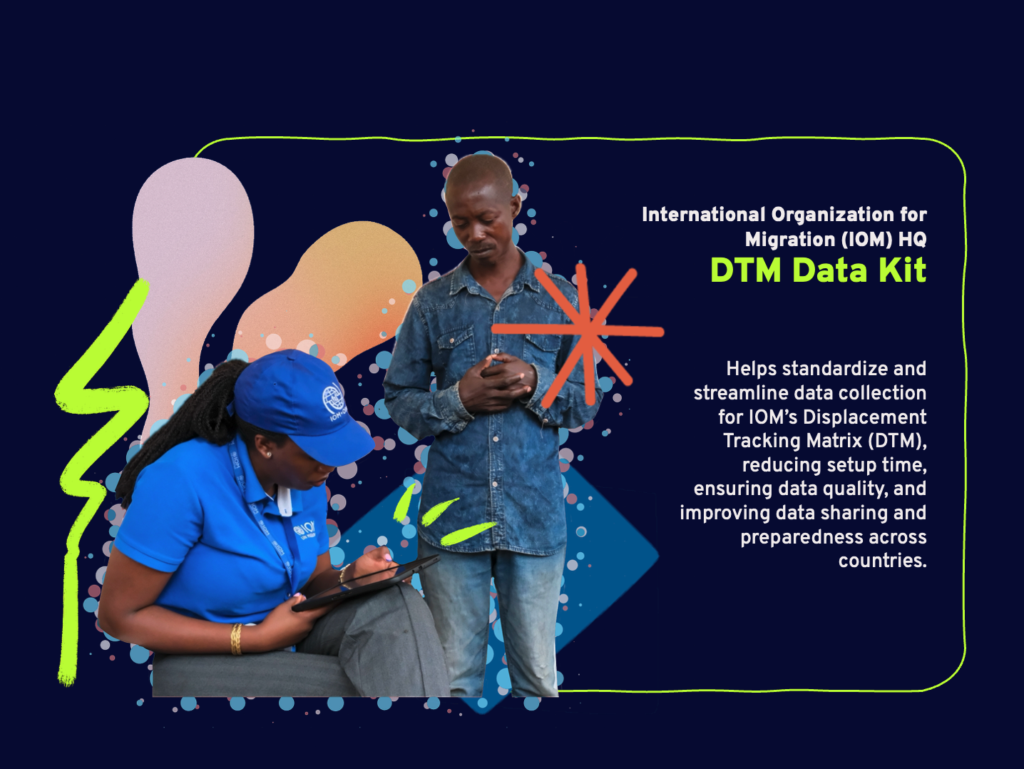
DTM Data Kit (IOM): The Accelerator’s emphasis on sustainability prompted the team to prioritize maintenance and continuity. By improving data structuring to feed directly into centralized IOM systems, they reduced the need for repeated, full-scale retraining in high-turnover environments. This structural fix ensures smoother data sharing and reuse across appeals and response plans.
Teams Amplified Impact Through Enhanced Technology Strategies
The Accelerator provided the strategic space and prompts to integrate smarter workflows, prodding teams to consider how to maximise their resources to do more with less.
Team examples:
DTM Data Kit (IOM): The team moved away from manual data entry by implementing improved multilingual integration and automated translations. This shift saved time and closed critical data gaps, reducing the manual labor burden on field staff.
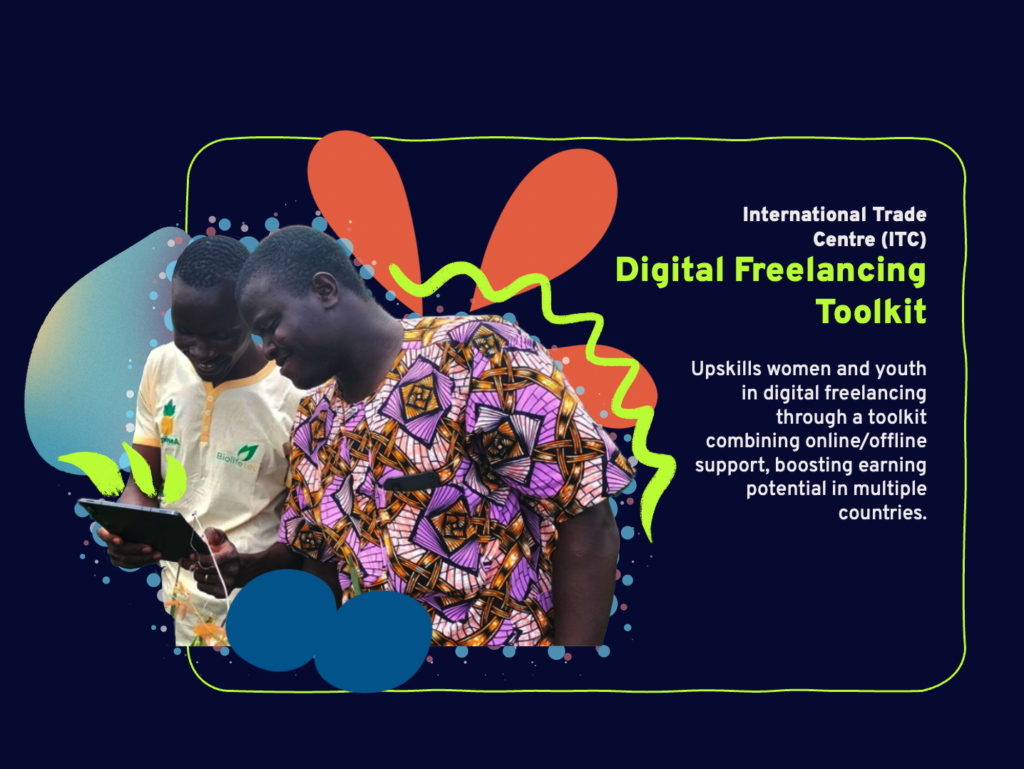
Digital Freelancing Kit (ITC): Scalability was unlocked by integrating AI tools to support course delivery, forum moderation, and grading. By reducing reliance on human tutors, the team created a model that can expand to thousands of new learners without a proportional increase in administrative overhead.
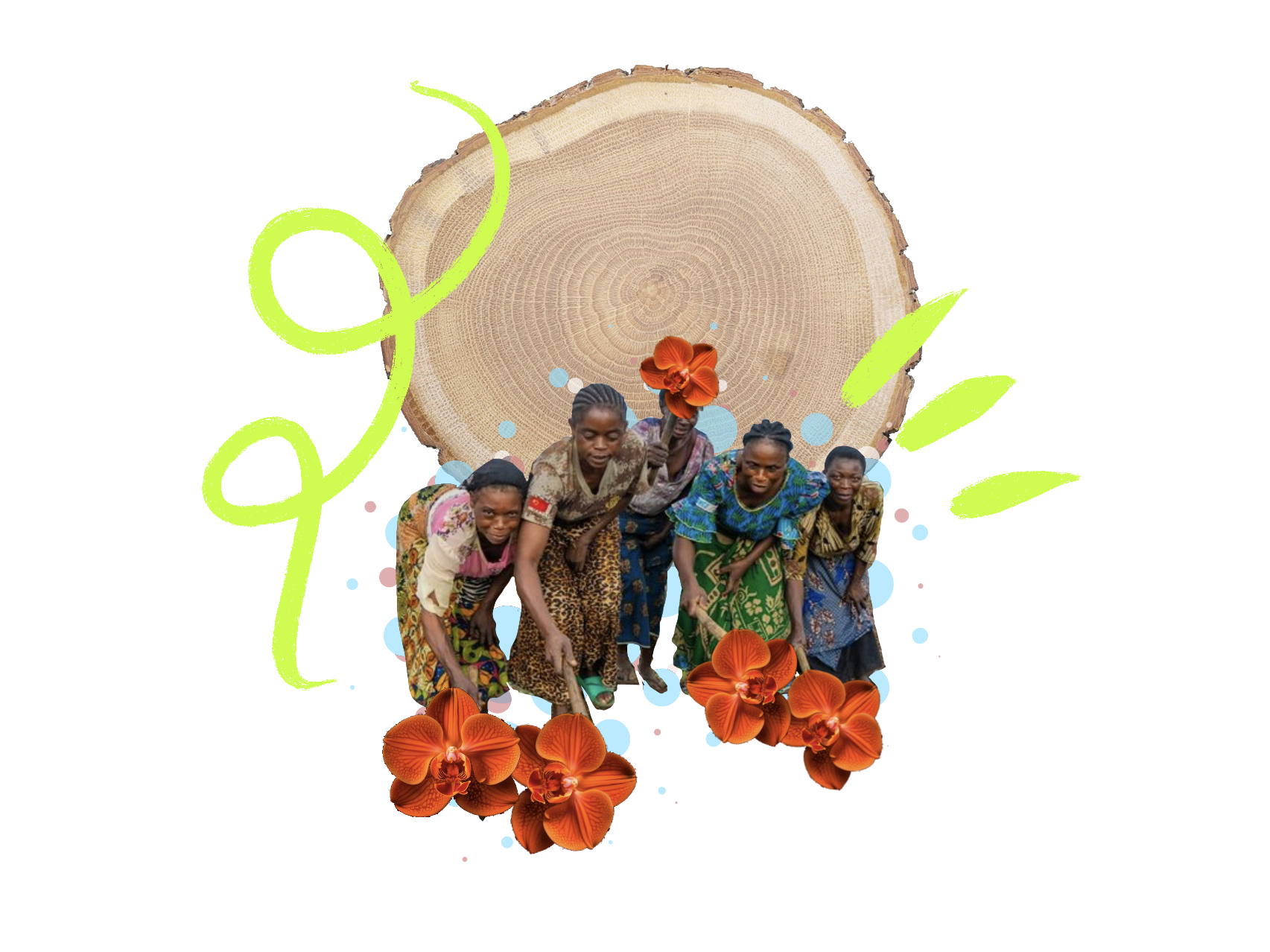
Teams had Deepened their Strategies for Supporting People
The Accelerator’s human-centered approach influenced the strategies for innovation teams, resulting in deepened support and investment for the people who were both delivering and receiving solutions.
Team examples:
Lentes Violeta (UNODC): Efficiency was achieved by equipping professionals with structured knowledge on gender-specific risk factors. This train-the-trainer methodology enabled the project to multiply its reach with minimal incremental costs, ensuring higher-quality interventions through a vast network of trained technical staff.
Joint Territorial Solutions Labs (RCO Colombia): The team focused on the “codification” of their methodology. By developing practical guides and internal capacity-building sessions, they streamlined the replication process. This ensures that new teams can deploy the Lab’s approach effectively across departments without requiring intensive, one-on-one external support—essentially “packaging” innovation for rapid institutional adoption.

Teams Were Tapping into Partnerships and Coalitions More Effectively
The Accelerator helped teams confront the notion that no innovation reaches systemic impact alone. Through partner assessment templates, stakeholder mapping exercises, and structured engagement strategies, teams built more intentional coalitions.
Partnerships and Team examples:
Institutional and Operational Partnerships
SheCan (WFP): The program tightened its grip on success by aligning with national financial inclusion strategies in Cameroon, Bolivia, and Ecuador. They deepened ties with Development Finance Institutions (DFIs) like the FMO and the Development Bank of Rwanda to explore new risk-sharing structures. Operationally, partnerships with banks such as Equity Bank Rwanda and Advans Bank Cameroon have become the backbone of loan deployment, while NGOs such as Plan International ensure community mobilization.
Private-Sector Partnerships
BioDAF (FAO): A strategic partnership with ETG Beyond Beans allowed the team to pilot household-level BSF units with women cocoa farmers, linking soil fertility to sustainable production. Additionally, an operational win with Doeat/Servair secured kitchen waste at no cost, significantly strengthening the economic viability of the central nursery model.
Academic and Knowledge Partnerships
BioDAF (FAO): An ongoing technical partnership with Nangui Abrogoua University for soil and fertilizer analysis is evolving into a broader research collaboration on organic inputs, ensuring the project remains scientifically robust.
How the Accelerator’s Impact Grew
The Impact of the Accelerator did not end with the workshops in Helsinki. It travelled from country offices to government ministries, microfinance banks in Rwanda (SheCan (WFP)) to cocoa farms in Aboisso (BioDAF (FAO)), to establishing digital, women-focused, freelancing communities in Sierra Leone (Digital Freelancing Kit (ITC)). Here is how the impact was experienced and presented through three different lenses.
Through the Lens of Geography

When cohort two began, the seven innovations were operational in eleven countries. By the end of the programme year, new partnerships, pilots, and replications had extended operations significantly, reaching Bolivia, Ecuador, Sierra Leone, as well as additional markets across Africa and South America.
Milestone Highlight: IOM’s Displacement Tracking Matrix (DTM Data Kit) oversaw an in-person rollout of its solution to 35 countries in the Americas, delivered in Panama in September 2025.
Through the Lens of Institutions

Across multiple teams, the Accelerator catalyzed a shift from innovation as experimental projects to innovation as strategic portfolio assets.
Milestone highlight: WFP’s SheCan positioned itself within WFP’s corporate platforms and cross-unit collaboration structures, advancing recognition as a core financial inclusion service rather than a standalone initiative
Through the Lens of People

Through conversations with the cohort, two teams noted a cultural and behavioural shift in how they see themselves as agents of institutional change. Teams described a growing sense of agency in navigating complex internal systems. They also reported greater willingness to experiment, deeper resilience to failing, greater willingness to collaborate across departmental lines and advocate upward for the resources and recognition their innovations deserve.
Milestone Highlight: RCO Colombia’s Joint Territorial Solutions Lab team emphasized that the prototyping labs were encouraged to be a safe space, where one could experiment with different approaches, learn iteratively, and pivot when necessary.
What We’re Taking Forward:
Three Things the Teams Taught Us
UN Global Pulse develops and designs the Accelerator Programme to mirror the innovation processes it advocates for – which means we learn by doing something new with each cohort. The teams in cohort two left Finland with clearer strategies, but they also left us with sharper questions about how we design support, what we assume and where we need to do better.
A Scaling Strategy Must Be Rooted in Local Realities
Teams taught us that climate risks, supply chain vulnerabilities, and institutional readiness aren’t contextual footnotes – they are daily realities of teams working on solutions. Our frameworks need to make space for that complexity from the outset, weaving social and institutional context into every methodology we present. Several teams also identified that having someone on the ground, a familiar face, a trusted relationship, a colleague from a partnering organization, was a decisive factor in whether their innovation gained traction.
Funding Support Needs to Be Part of the Conversation Early
Teams often arrived with strong ideas but with thin financial support. Diversifying across grants, development finance and private capital isn’t something teams can figure out alone — it’s something the programme can help surface and discuss earlier in the process.
Institutional Buy-In Requires a Continuous, Persistent Campaign
The teams we spoke with reported how hard they worked to maintain momentum inside their own organizations. Amid leadership changes, competing priorities, and structural inertia, they were at times doing as much work to build internal buy-in as to strengthen their solutions. How we support ongoing advocacy and internal positioning is something we’re continuing to consider and develop.

The UN Global Pulse Accelerator Programme has shown that when you give brilliant UN teams the space to imagine, the tools to strategize, and the permission to fail, they design solutions that are people-centered, resilient and adaptive to systemic change – can partner with a range of actors, expanding the potential of the UN’s innovation portfolio.
Conversations with the participants from this cohort validate our efforts to support innovation within the UN and achieve the Secretary-General’s vision for inclusive, networked and effective multilateralism. This report captures their learning, and what those learnings are teaching us. Although this story was about cohort two’s experiences, it also represents the intentionality and care we bring to designing the programme – hoping that it will help us create a programme that is meaningful and relevant to those trying to transform the UN for a better world.

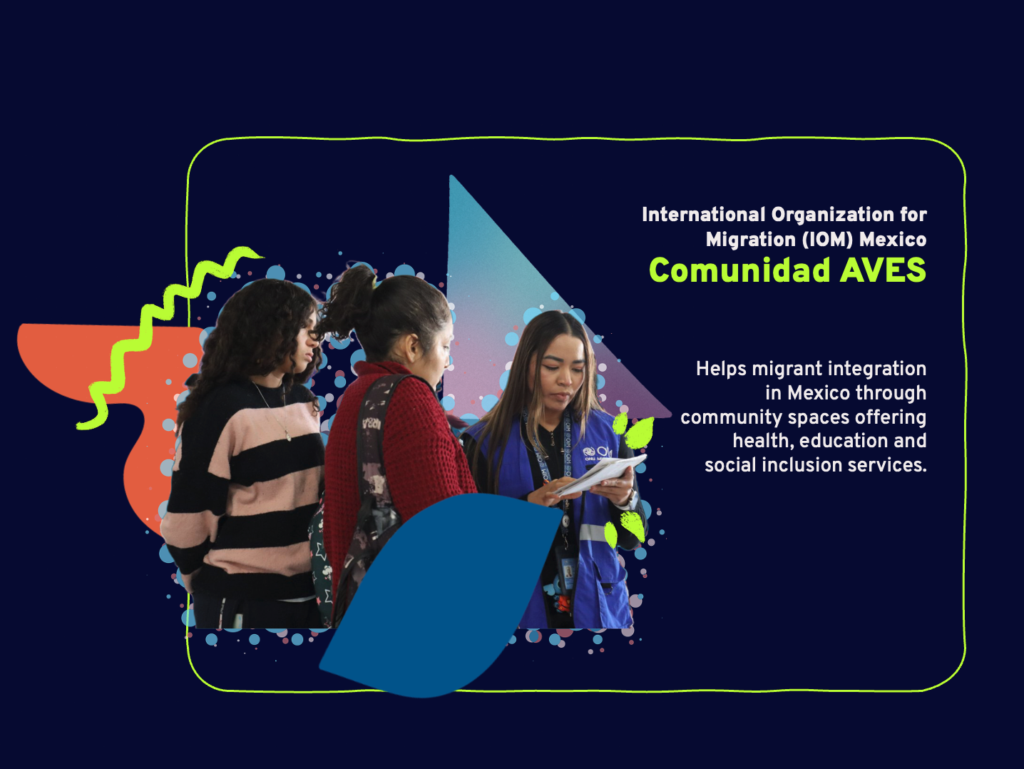
All visuals in this story are credited to the following organisations: UN RCO Colombia; Food and Agriculture Organization (FAO), World Food Programme (WFP), United Nations Office on Drugs and Crime (UNODC), International Trade Centre (ITC), International Organization for Migration (IOM) Mexico, International Organization for Migration (IOM).
About UN Global Pulse:
UN Global Pulse is the Secretary-General’s Innovation Lab. We work at the intersection of innovation and the human sciences to inform, inspire and strengthen the ability of the United Nations family and those it serves to anticipate, respond and adapt to the challenges of today and tomorrow.
About the UN Global Pulse Accelerator Programme:
The UN Global Pulse Accelerator Programme is a catalytic initiative for transformation across the United Nations. Launched in 2023, the Accelerator is the only United Nations system-wide initiative dedicated to supporting innovation teams across UN entities and turning promising innovative ideas into real-world impact at scale, ensuring that exceptional UN-led pilots reach more communities through adaptable delivery models and future-fit strategies. To learn more about the accelerator, visit: https://www.unglobalpulse.org/project/un-global-pulse-scale-accelerator/