



Scaling What Works
What Global Pulse’s First Accelerator Cohort Says About the Future of Innovation in the UN
The UN Global Pulse Accelerator Programme (formerly known as the Scale Accelerator Programme) was launched as a response to the UN’s critical need to support innovative pilots within the system and help them scale and achieve widespread, deep impact. For its first cohort, the programme received 70 applications from 18 UN entities worldwide, validating the need for a dedicated approach that bridges gaps for pilots.
Further grounding the accelerator’s value was the diversity of the teams that applied and were selected for the workshop series. Seven teams, tackling everything from climate-smart agriculture to public health, formed a unique, cross-system learning space. The cohort included:
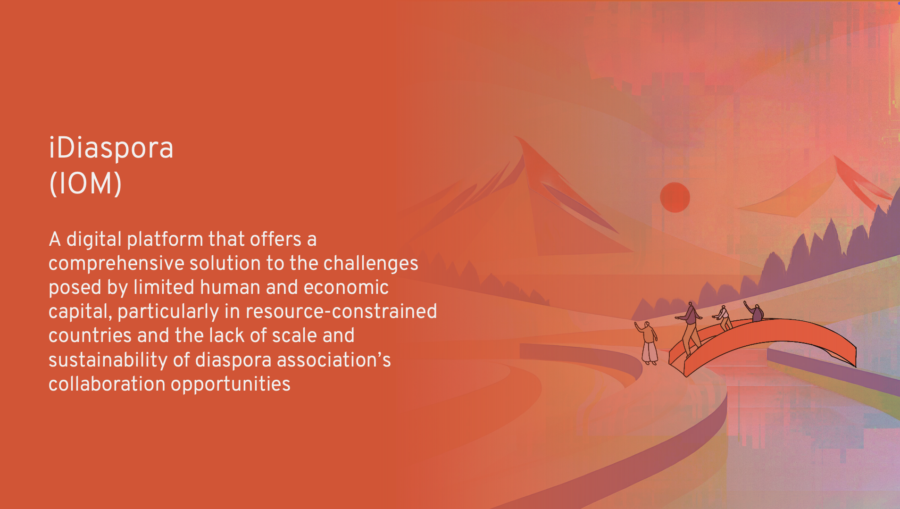
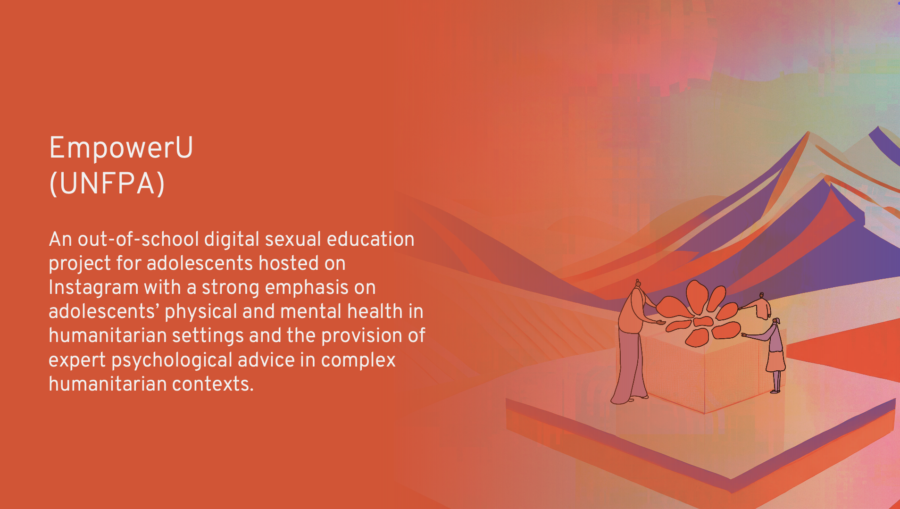
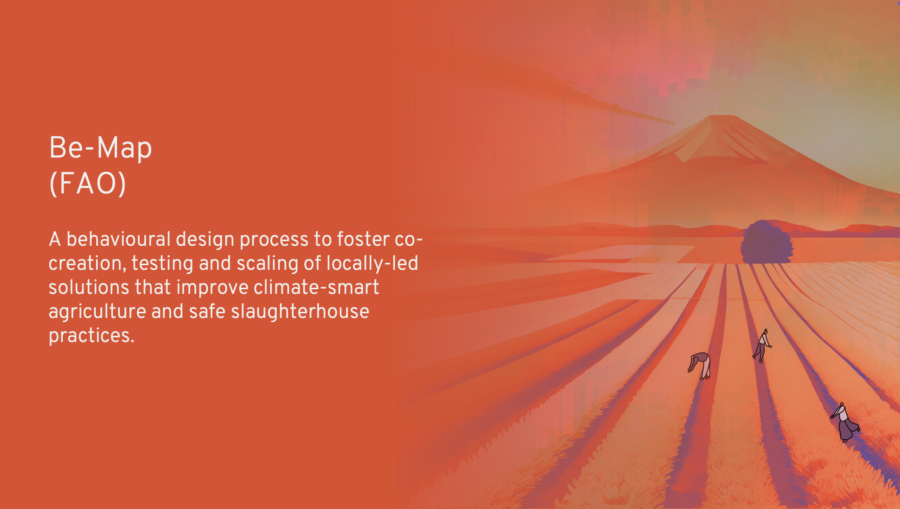
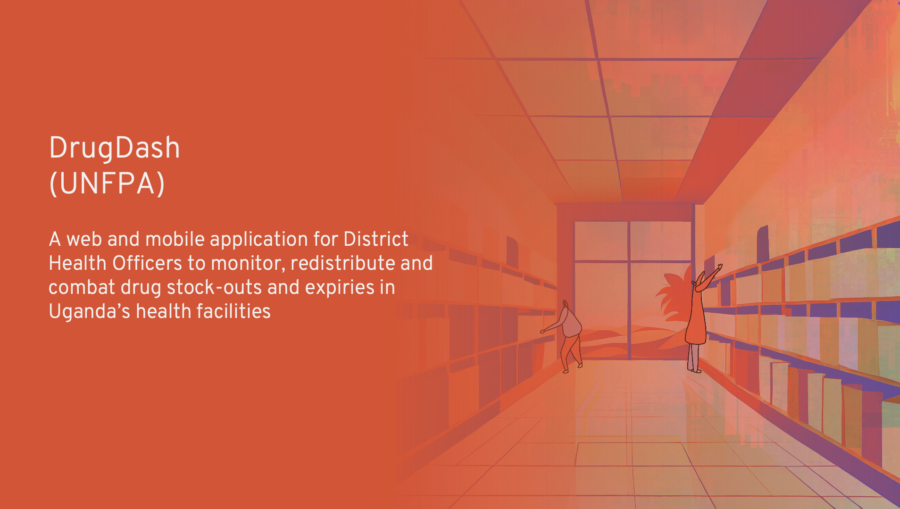


As a programme rich in supporting teams with crafting their scale strategies, access to methodologies and tools, tailored mentorship and a plethora of mountaineering metaphors – it quickly became a grounded pathway for UN innovation teams to realize their full potential and ultimately scale their own summits. After intensive, completely online workshops and tailored support, three teams received the Scale Catalyst Grant, approximately USD 60 000 for each team, to provide them with financial support required to implement their strategies.
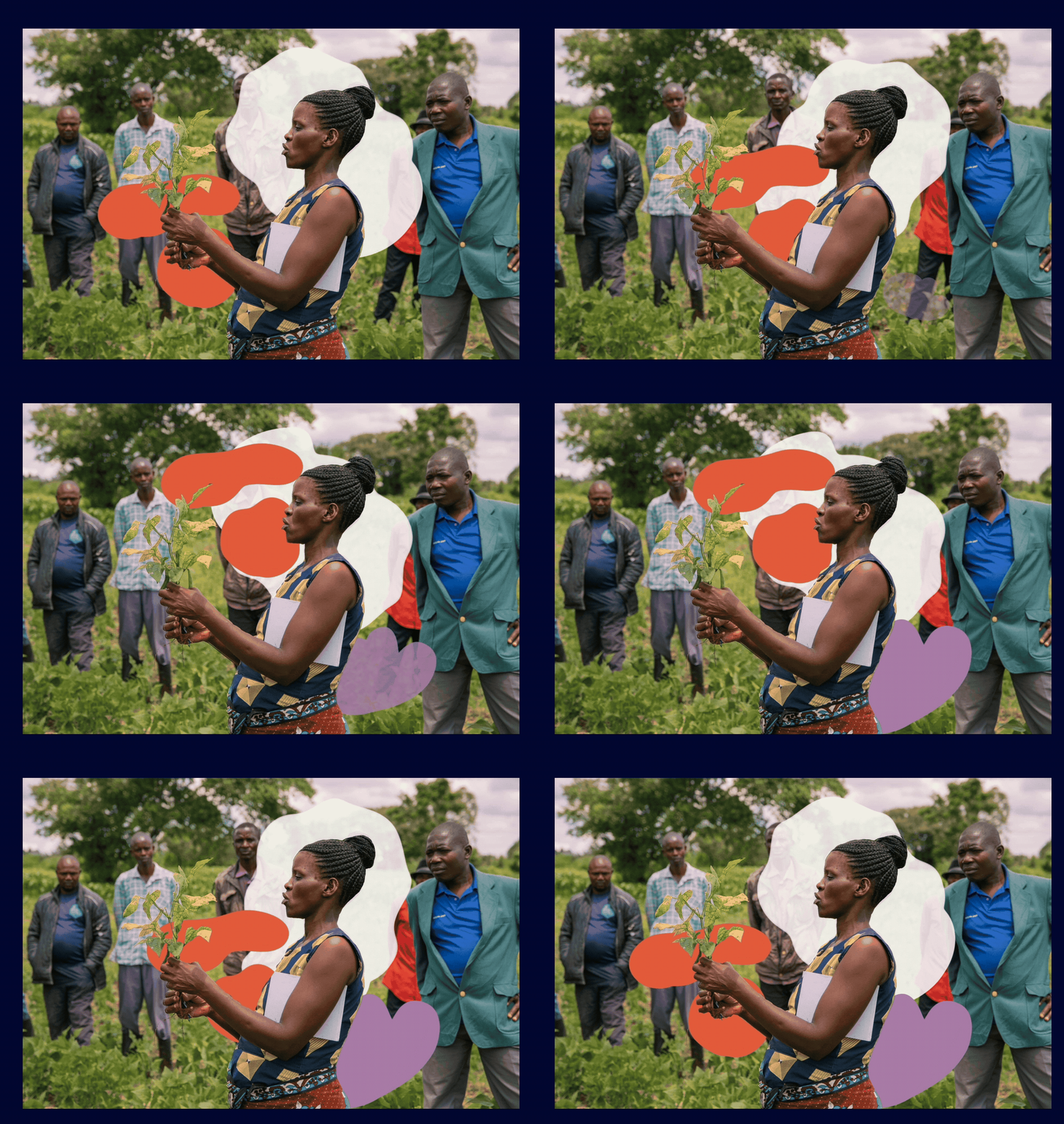
Image Credit: WHO, Tobacco-Free Farms
1
BRIDGING RESEARCH AND ACTION
The UN’s critical need to support innovative pilots within its system was presented in the foundational research “Scaling the Summit”. The report explored why scaling was so difficult within the UN and reviewed the experiences and practices of innovation teams across different UN agencies, often finding that innovation and scaling were treated as separate approaches. It was found that promising innovations frequently stalled because of gaps in business modeling, partnership development, and organizational readiness.
The research sought to identify entry points to alleviate these challenges, with a core recommendation being to frame the scaling journey as a long, multi-player process. And so, the Accelerator Programme was born, a UN System-wide service designed to advance innovative solutions from the pilot stage to scale, recognizing that effective scaling enables promising innovations to transcend from prototypes to full potential for widespread change – a space where UN teams could engineer their scale strategies, identify obstacles and unlock their abilities to deliver.
The first cohort began with an intensive, completely online, Scale Strategy Development Workshop Series for seven selected teams, spread over two weeks (19th February to 1st March, 2024). From assessing scale readiness to business modelling, understanding partnerships and networks to deepening monitoring and evaluation practices – the series curated sessions that encouraged teams to look at the big picture and challenge their long game while developing better informed scaling strategies.

Following the workshops, participating teams submitted their renewed scale visions and strategies to meet their scaling goals. The three teams with the most articulated strategies were selected to receive a Scale Catalyst Grant and additional mentoring and technical support. We now turn our attention to the three teams chosen as grantees, highlighting their experiences and successes post-Accelerator Programme and where they are headed next.
MEET THE GRANT RECIPIENTS FROM COHORT ONE
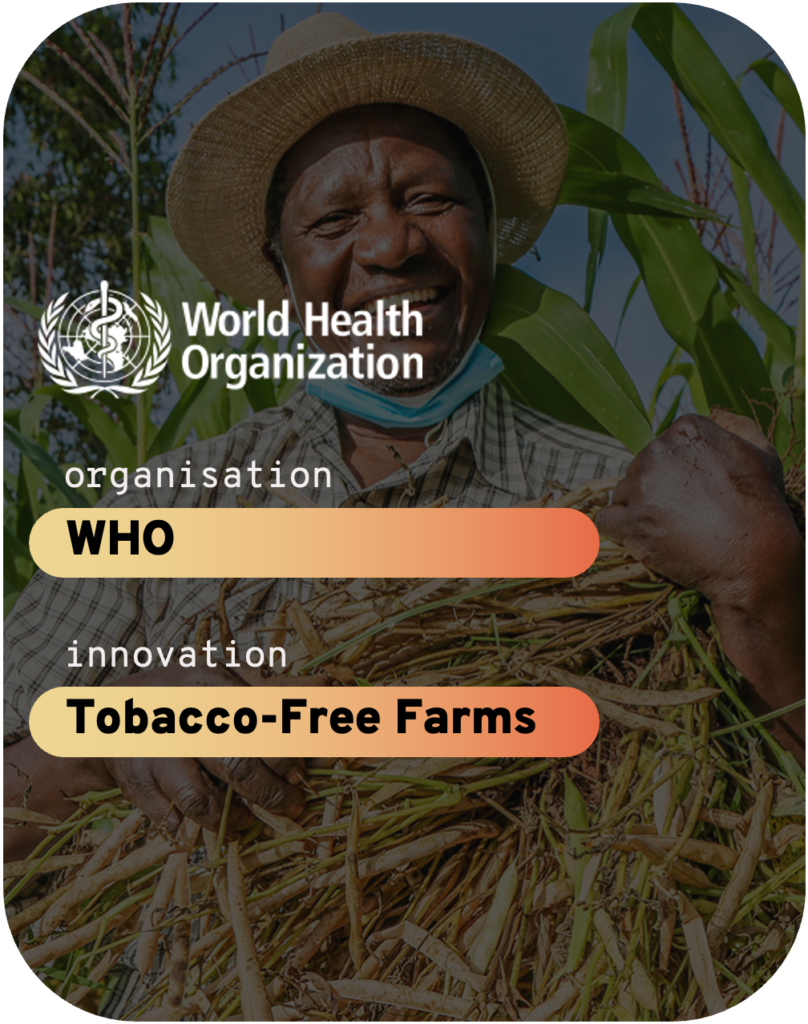
Tobacco-Free Farms
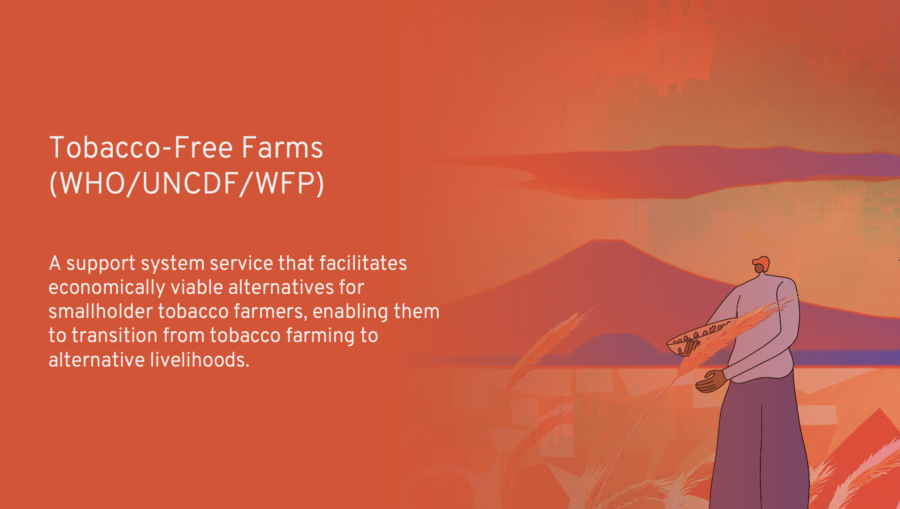
A support system service that facilitates economically viable alternatives for smallholder tobacco farmers, enabling them to transition from tobacco farming to alternative livelihoods. Through the emphasis on sustainable practices, regenerative agriculture, and strategic linkages, such as cultivating high-iron beans and supporting women and children, the project promotes income generation, improved health outcomes, and land regeneration, addressing the challenges of tobacco farming’s impact on health, economy, and environment.
Participating Team (Team consisted of WHO, UNCDF, WFP and Cereal Growers Association members):
Alphonce Bolo, Regional Agribusiness Coordinator; Joash Kutayi Okachia, Investment Analyst; Simone St Claire, New Initiatives Consultant; Mary Wanjohi, Programme Associate; Nancy Silong, Project Assistant
DrugDash
A web and mobile application for District Health Officers to monitor, redistribute and combat drug stock-outs and expiries in Uganda’s health facilities. This innovation provides real-time information on family planning commodities stock, enabling accurate and timely decisions on redistribution to reduce shortages and wastage. The overall aim is to improve access to family planning methods for women and girls through enhanced decision-making based on improved visibility of stock status within and between districts.
Participating Team (Team consisted of UNFPA and DrugDash members):
Josephine Zhane Omunyide, Innovation and Knowledge Management Specialist; Nampala Rahmah, Administrative Support; Samson Kapeyi, Technical Solutions Architect; Solomon Kahuma, Business Development; Timothy Kasule, Family Planning & Reproductive Health Commodities Specialist.
Farms2Go
A mobile and web application that helps smallholder farmers by providing access to vital information on effective agricultural practices and a digital marketplace for fair transactions and novel opportunities. Through SMS updates, it enhances transparency and trust in the value chain while empowering women farmers to overcome discrimination. Additionally, the platform facilitates capacity-building among cooperatives, enabling practical training on topics like post-harvest loss management and climate-smart agriculture, with data collected for evidence-based decision-making by WFP to enhance programme effectiveness.
Participating Team (Team consisted of WFP members):
Casper Strydom, Digital Agriculture Officer; Diana Lucia Suarez, Farm2Go Product Manager; Kamrul Hasan Nadim, Retail Monitoring Assistant; Kiyomichi Mitsukoshi, Lead of Host Community Resilience; Mostafizur Rahman, Resilience Programme Associate; Patricia (Pia) Facultad, Regional Bureau Business Transformation Officer; Victor Chagona, IT Officer
Image Credits as appears: WHO, Tobacco-Free Farms | UNFPA, DrugDash | WFP, Farm2Go
CAPTURING INSIGHTS FROM OUR GRANT RECIPIENTS
After receiving the Scale Catalyst Grant and tailored mentoring, the three teams sat down with our Monitoring and Evaluation team to tell us about their experiences of the Accelerator and how they evolved with their learnings from the workshops, financial support and the mentoring. The chord that connected all three teams’ feedback was how the Accelerator’s value extended beyond the curriculum and funding.
For instance, Tobacco-Free Farms, with the support of the partnerships-focused sessions, was challenged to reimagine traditional UN roles and climate mechanisms, initiating the possibility of repositioning itself beyond a technical project to a long-term, locally owned initiative. In the same vein, the mentoring sessions were instrumental in supporting their team to develop participatory and human-centred processes. This process refresh uncovered valuable insights that static approaches would have missed, marking a significant mindset shift for the team.
The DrugDash team reported that their experiences in the Accelerator led to the development of a comprehensive national-level strategy, showcasing an enhanced ability to articulate their project goals and strategies. The tailored mentoring they received also provided critical support in staying accountable to their results and in approaching agility with creativity in the face of logistical and implementation challenges.
The Accelerator Programme transformed Farm2Go’s approach, shifting their focus from using their own assumptions for refining app features to using actual user experiences as the guiding tool for adjustments. In addition, they realized the solution’s potential shouldn’t be limited to just a single World Food Programme (WFP) activity, prompting them to integrate Farm2Go into broader thematic areas like climate services and school feeding initiatives to achieve impact across WFP’s portfolio.
All three teams showcased a series of strategic shifts – catalysed by the Accelerator’s offerings. However, the true test of their growth is in deliverable results and sustained impact within their scope of work. Here’s a sneak peek into how their time after the Accelerator translated into meeting, and perhaps sometimes exceeding, their scaling targets.
2
The Journey So Far: Where Our Cohort One Innovation Teams Are Now
Tobacco-Free Farms

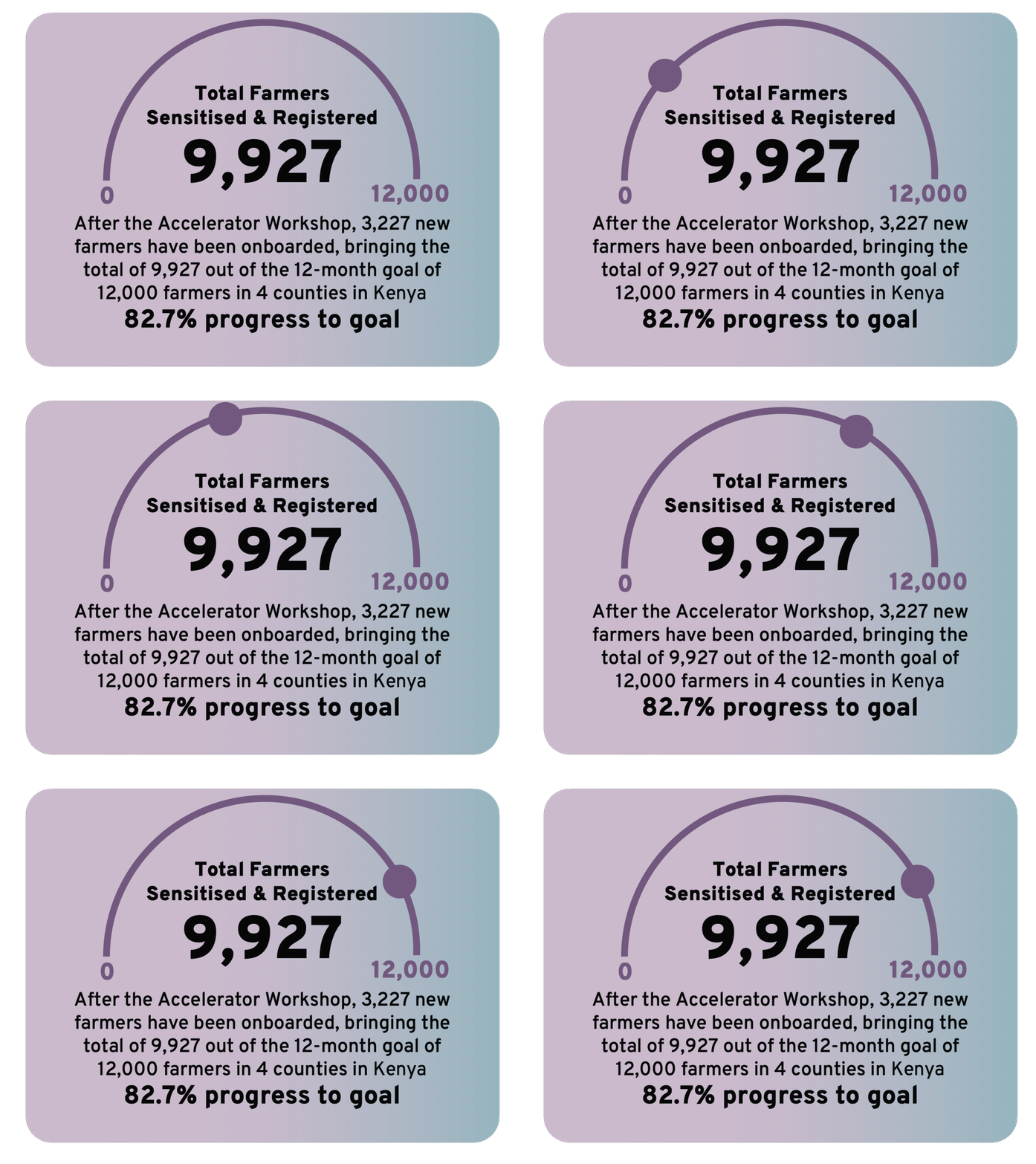
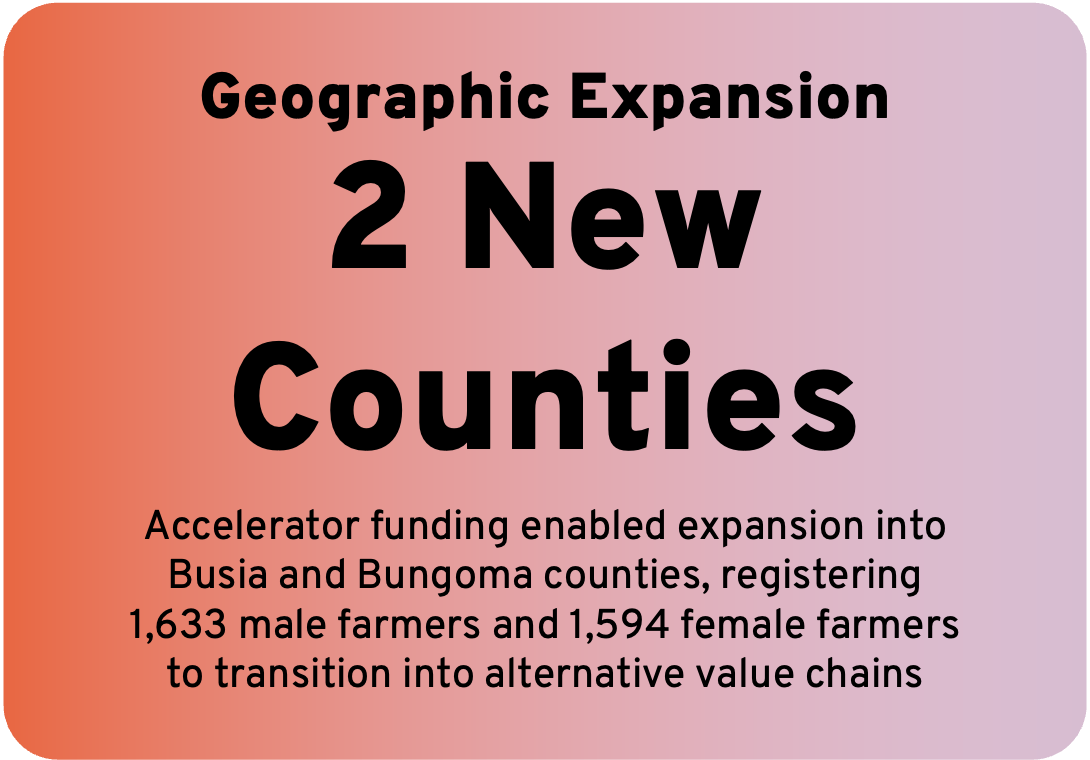
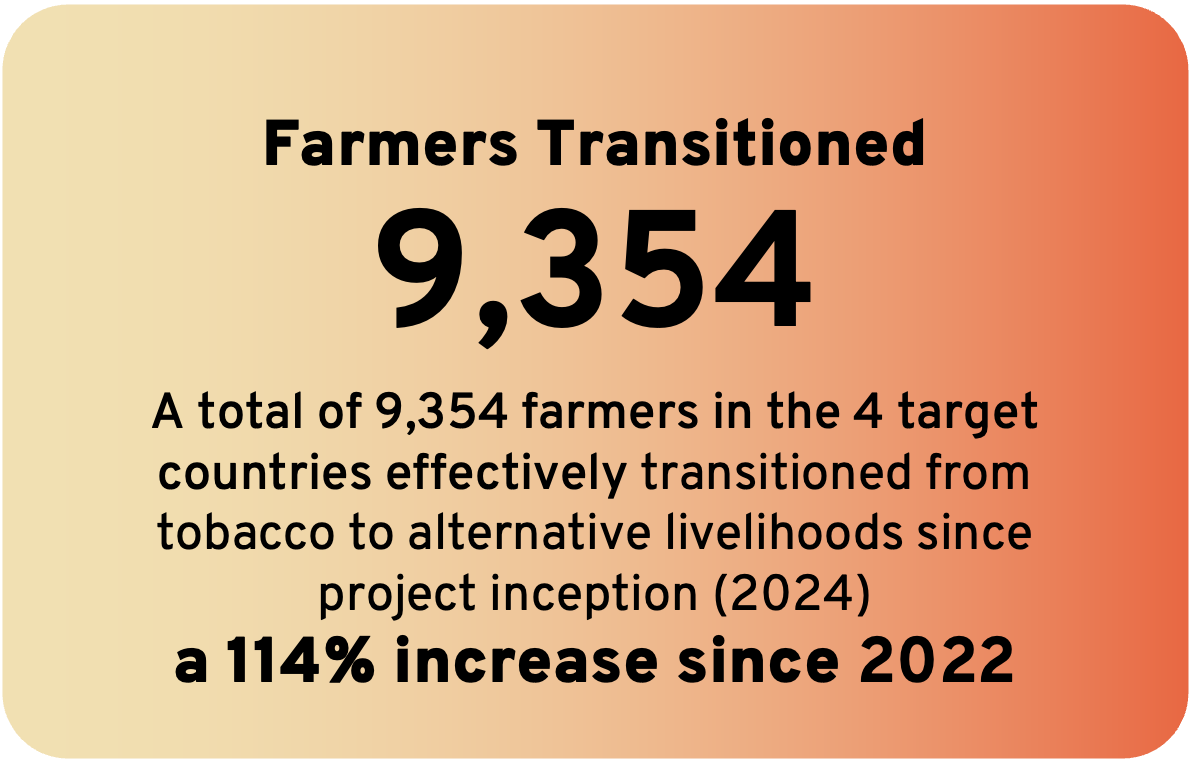
Image Credit: WHO, Tobacco-Free Farms
DrugDash
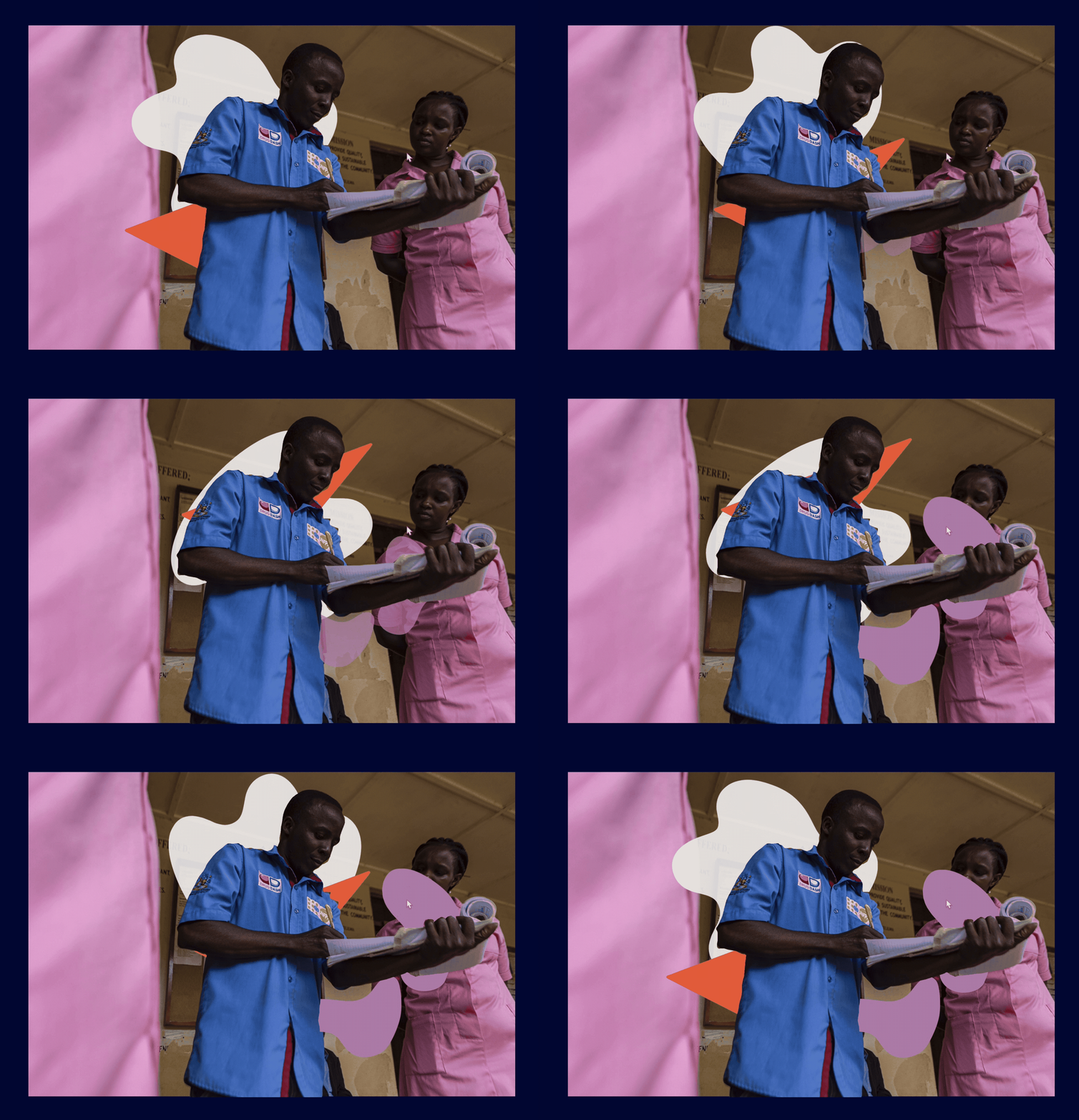
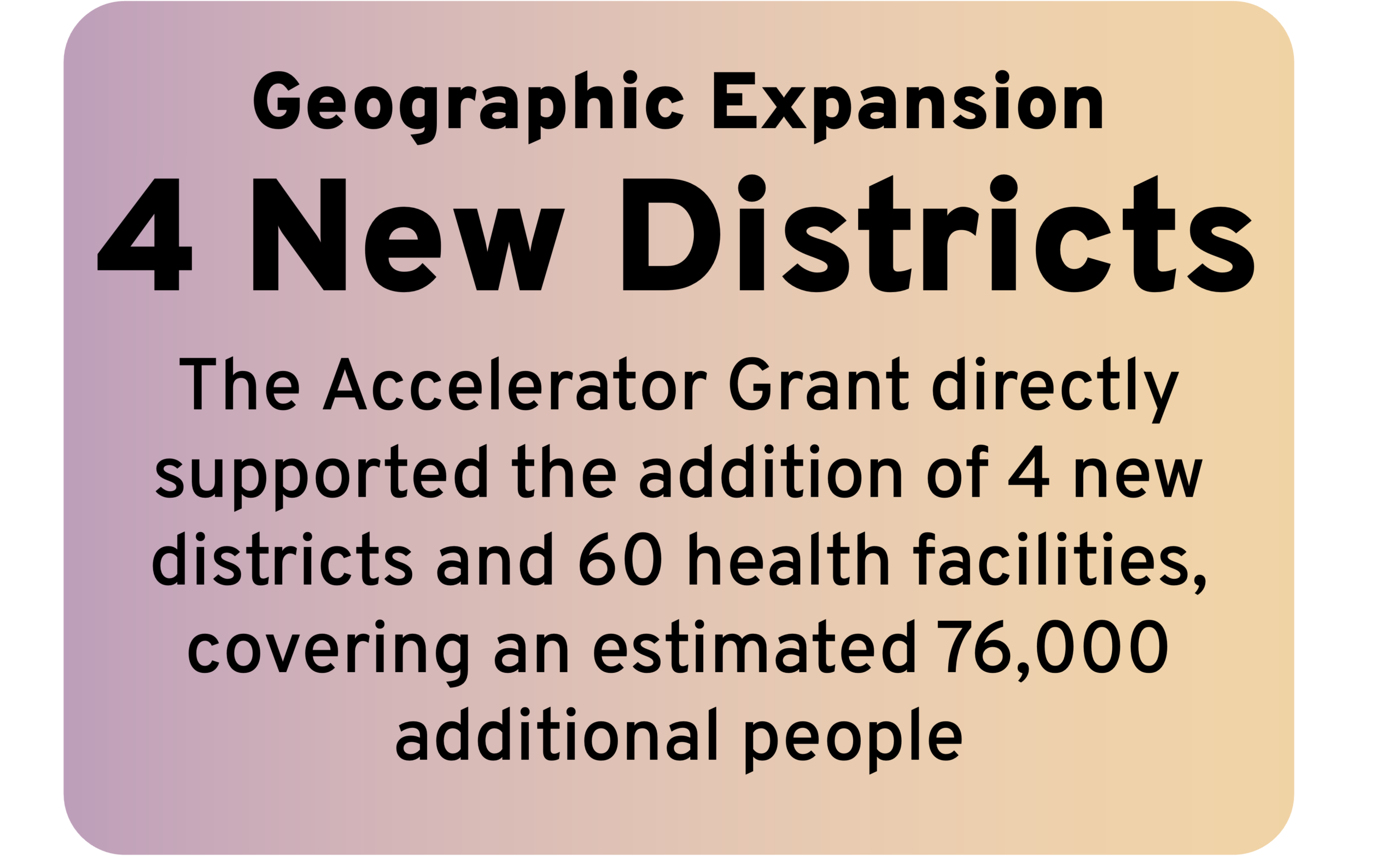
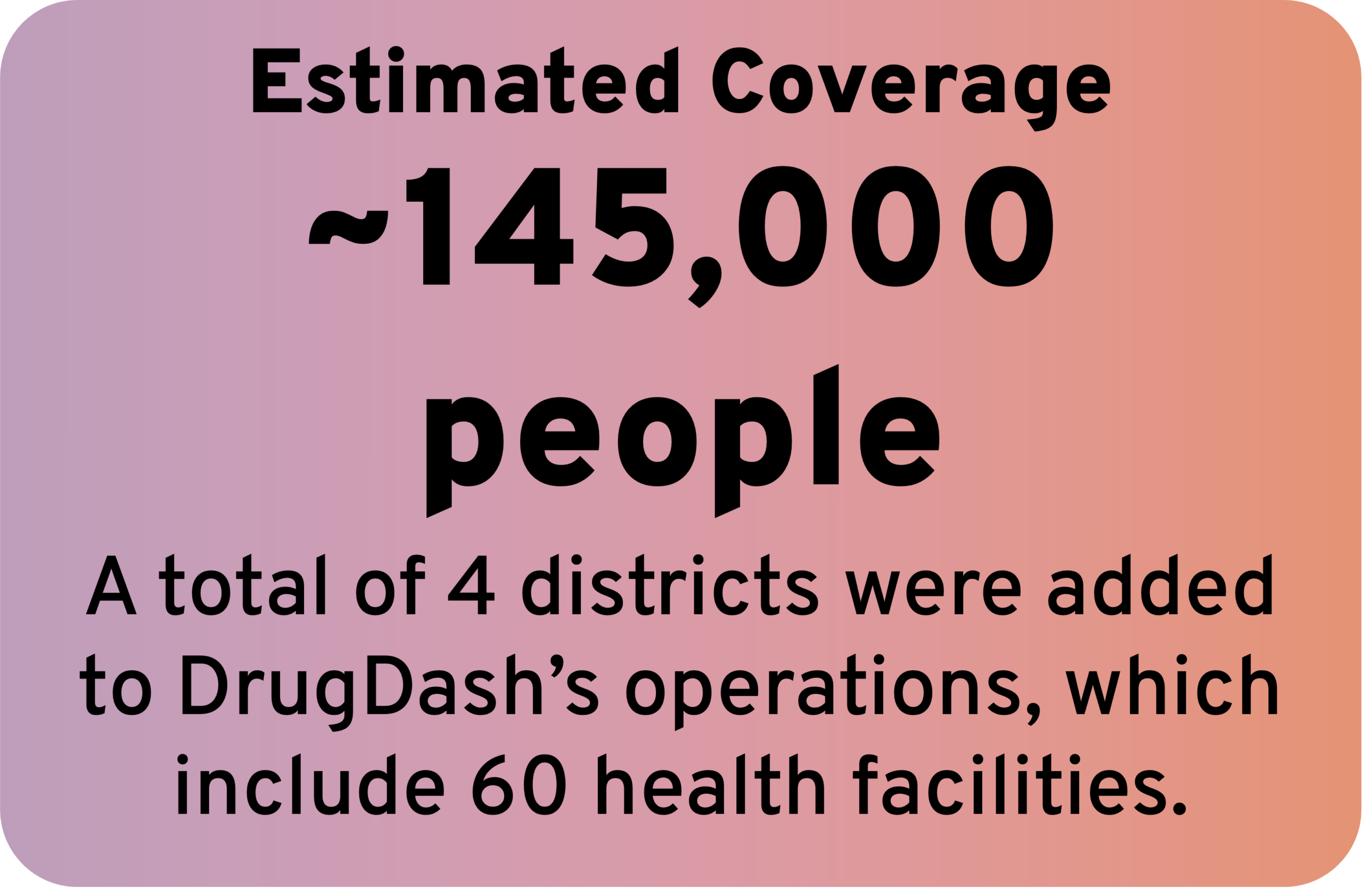
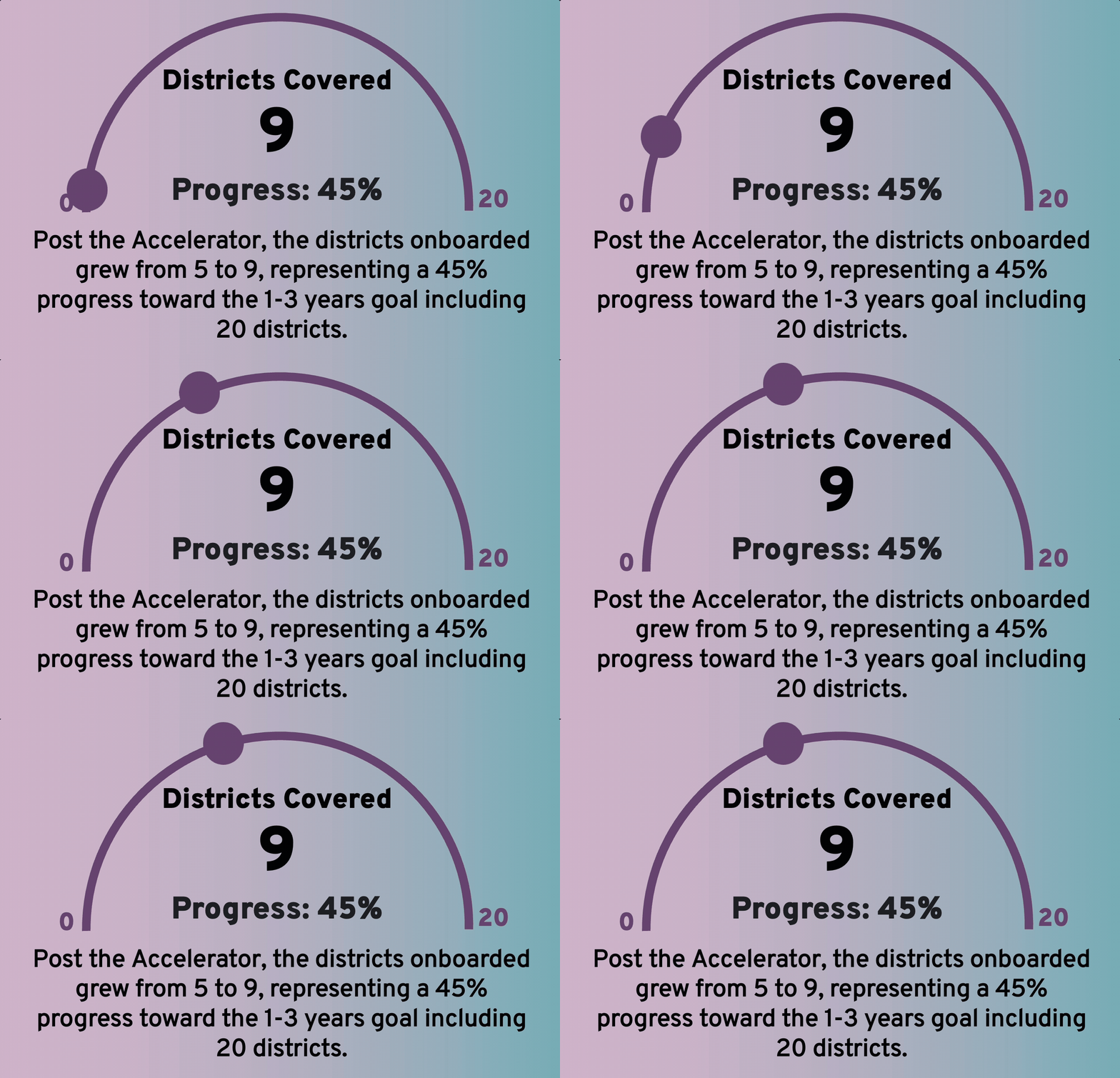
Image Credit: UNFPA, DrugDash
Farm2Go
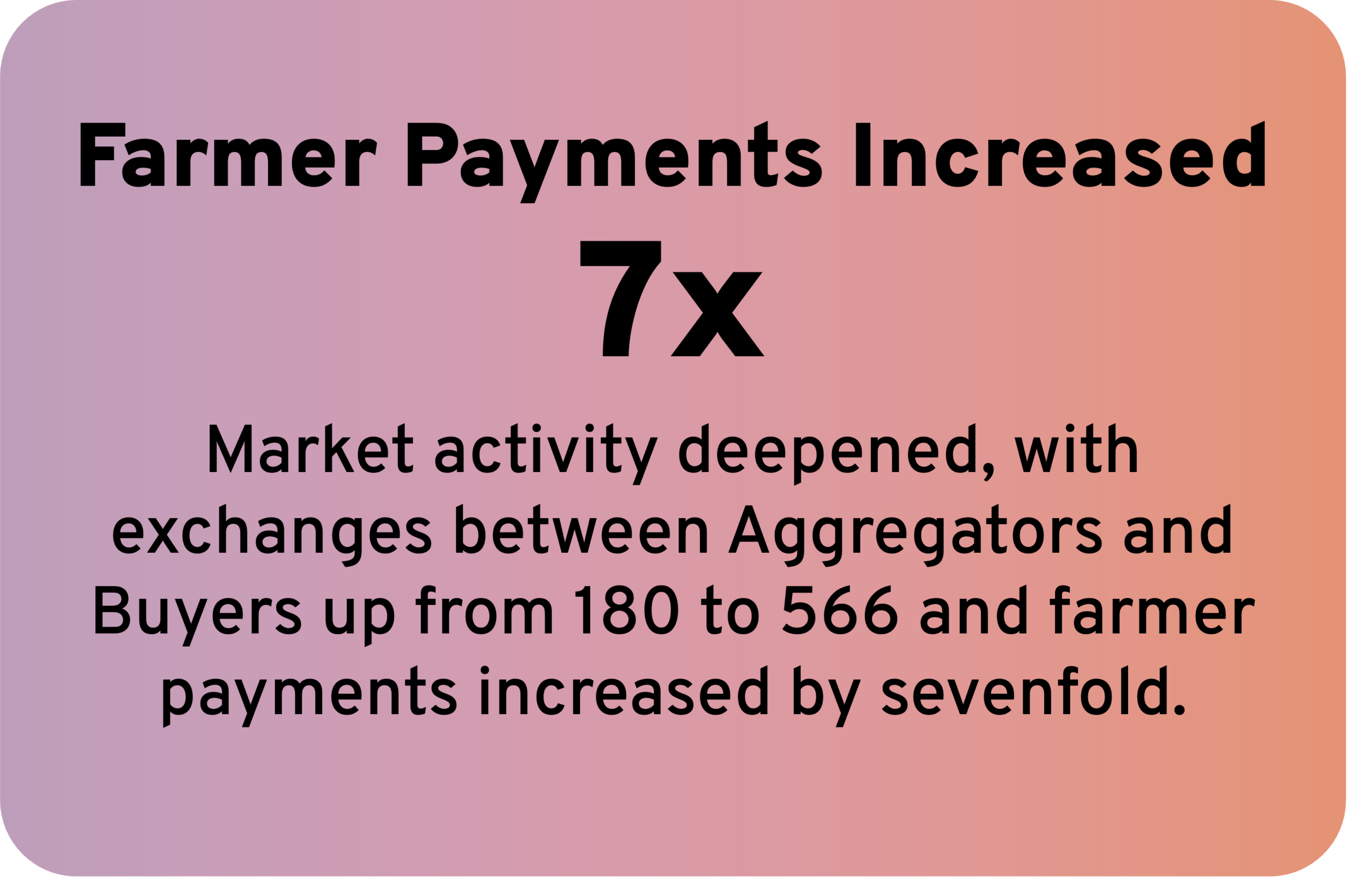
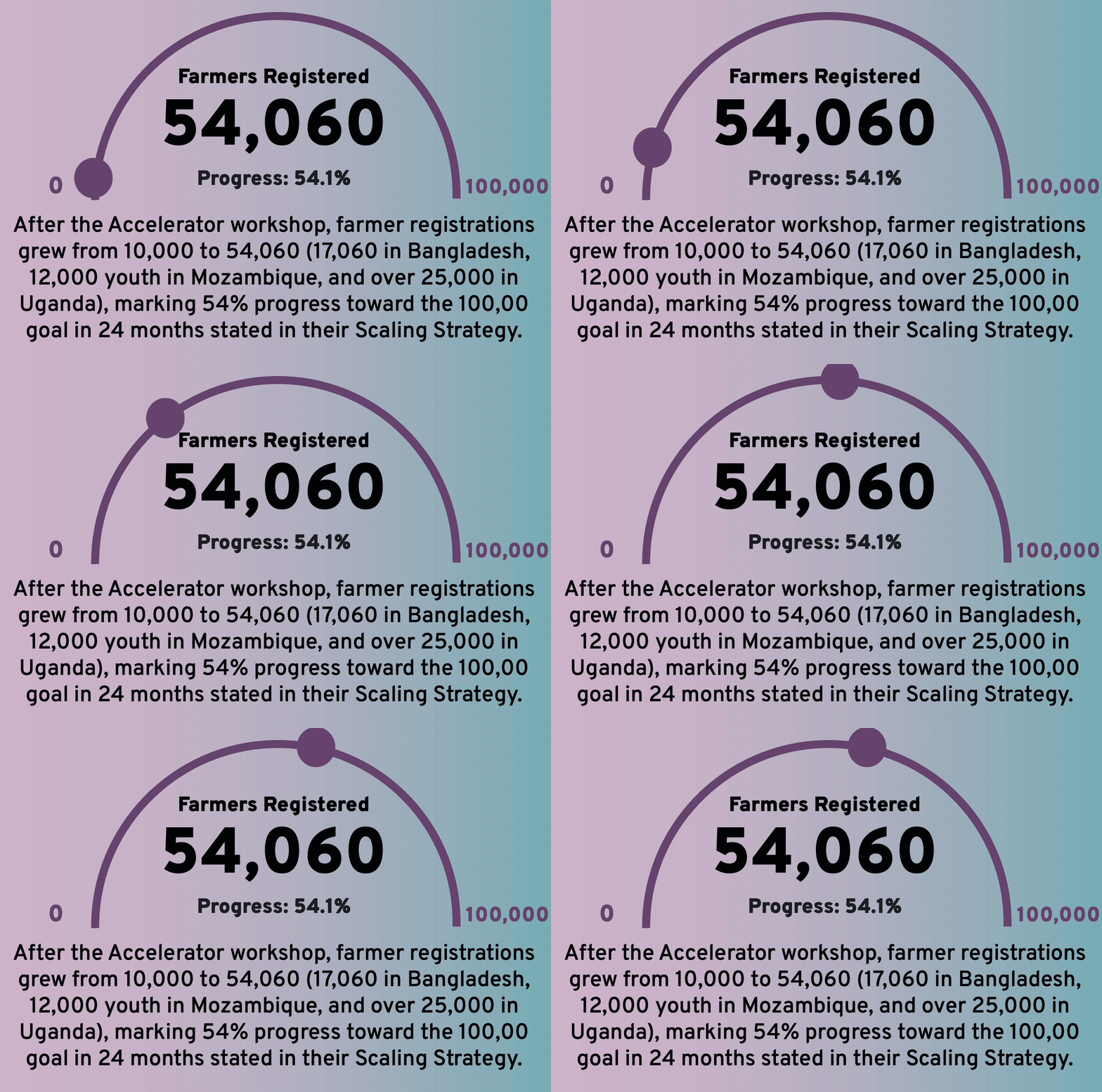

Image Credit: Unsplash/Sheikh Nayim Hasan
3
KEY CONSIDERATIONS INTEGRATED INTO THE FOUNDATION OF THE ACCELERATOR PROGRAMME
Along with validating the purpose of the Accelerator Programme, the three teams were equally honest about areas for improvement. To champion intentional support for innovation teams, we first and foremost take responsibility and accountability to iterate our support for scaling. Therefore, our team consolidated their feedback, taking into account ways to better execute and support upcoming teams in later cohorts. These learnings were organised into elements to bring forward, along with critical reflections to shorten gaps. Below, we share these insights as part of our renewed commitment to ensuring a programme that prepares innovation teams for successful, system-wide scaling across and beyond the UN.

Image Credit: WFP
We have added the feedback we received from the teams below each key consideration, outlining the roots of how they were derived:

| A word from Patricia Loh, Innovation Scaling Senior Analyst at UN Global Pulse “If the Accelerator Programme taught us anything, it’s that scaling is a profoundly iterative process. There’s no black-and-white definition for what ‘scaling’ means; it shifts dramatically, contextually – depending on the people, the country, and the innovation itself. We realized that this is a long journey—one where teams need plenty of support. The Accelerator became much more than a strategy course; it offered moments of candid reflection, which sometimes felt like ‘friendly faces and therapy sessions’ for teams navigating complex UN systems. It became a space to showcase the power of agility—the ability to change plans, pivot resources, and adapt the solution very quickly when implementation hits real-world hurdles. Our first cohort showed us that a vast amount of untapped knowledge about scaling exists within the UN system. We are still learning what we don’t know, figuring out what the essential ‘lego blocks’ of successful scaling are without always knowing their exact shape or importance. Our commitment is to continue gathering this evidence, turning these hard-won lessons into actionable principles for every team that follows.” |
4
THE REFLECTIONS WE CARRY WITH US AS WE DESIGN FOR FUTURE COHORTS
How do we ensure we design the Accelerator for upcoming cohorts with intention and greater chances for success? As this was our first ever cohort, there were many lessons learned and we’ve shared them here as a means to embrace them and stay accountable to them.
Expanding our Definition of “Innovation” and “Scaling”:
Make explicit that the terms “innovation” and “scaling” extend beyond digital solutions to include process, policy, and other non-technical innovations. This is intended to clarify the range of innovations the programme can support. Out of 70 applications, it became evident that there are numerous interpretations of innovation and scaling, each presenting unique challenges and definitions. Going forward, we will prioritize being inclusive of diverse, sometimes non-conventional, forms of work, making clear that an idea does not have to be entirely new in itself.
Take the Time Needed for Teams to Engage with Complex Concepts of “Scaling”:
We will increase the time dedicated to in-depth exploration and application of concepts, strategic tools, or deep explorations, particularly those that are new or complex. We’ve got the space covered; now we focus on giving participants enough time to truly engage with the programme’s offerings.
Establish Cross-Pollination of Cohort Learnings for Participating Teams:
Even beyond the Accelerator Programme, from past projects and network-wide partnerships, we have learned that learning and implementation of any project is enhanced when we get to cross-pollinate with expertise, experiences and feedback. We will create a formalized mechanism for learning exchange between current and older cohorts which will allow newer teams to learn from the real-world implementation experience of past teams and give past teams the opportunity to learn from the creativity of newer teams.
Provide Teams with More Tailored Feedback and One-on-One Support:
We will allocate additional time for tailored feedback sessions with facilitators to discuss scale-up strategies and project feasibility in the real world. Scheduling more one-on-one time with teams to address specific questions, concerns, and project needs, providing personalized guidance and assistance gives them a space to continue learning and unload the pressures of navigating complexities and limitations.
Draw from Practical Examples of Innovative Projects from Different Spheres and Sectors:
Participants expressed a need for more practical examples, particularly from social and education projects, to enhance their understanding and relevance in an ever-evolving world, indicating a desire for practical application and context. We will enrich the curriculum with as many examples as possible that are relevant contextually to these innovation teams and can be referred to as a north star or guiding framework.

Image Credit: UNFPA, DrugDash
After wrapping up with the first cohort of our Accelerator, our hope is that, three years from now, these innovative approaches to real-world problems will have succeeded in achieving what they had set out to do, with participating teams looking back and finding that this programme was a pivotal moment in a successful scale journey.
Succeeding in this would be a significant milestone for UN Global Pulse, demonstrating our programme’s success in uniting and supporting diverse UN entities to innovate and scale together. In the reflective approach of this article, we sought to prepare ourselves for an even more refined and transformative version of the Accelerator, ensuring that our efforts to support innovation within the UN family continue to mature and improve in achieving the Secretary-General’s vision for inclusive, networked and effective multilateralism.
We invite you to stay connected and learn more about the Scale Accelerator Programme’s journey in its mission to foster a collaborative ecosystem that drives sustainable and scalable innovations to address the world’s most complex challenges.
Visit the programme page or get in touch with our Innovation Scaling Team for updates and insights.
Interested in partnering with us? Learn more here.